About Amber

Amber

About Amber

A NATURAL LEGACY

More than a gemstone

Amber is fossilised tree resin shaped by nature over millions of years. Baltic amber, also known as succinite, was formed more than 40 million years ago and is renowned for its remarkable diversity of colour, transparency and natural structure.

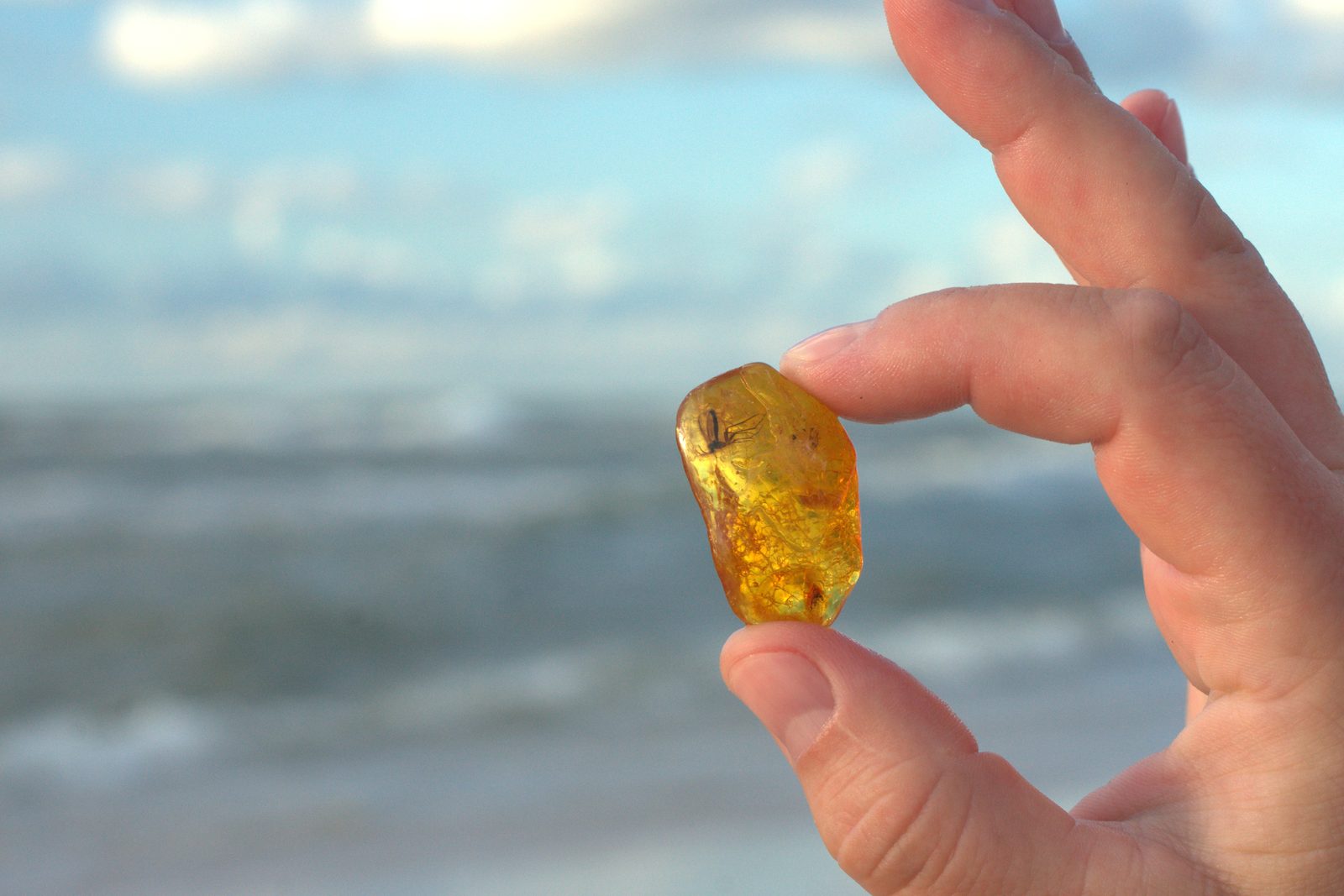
Warm to the touch and exceptionally light, every piece carries its own record of time — from subtle variations in colour to natural inclusions preserved within the resin.

More than a gemstone

ORIGINS

How is Baltic amber formed?

Baltic amber began as resin produced by ancient forests more than 40 million years ago. Over time, the resin was buried in sediment and gradually transformed through complex chemical processes into the material we know today as amber.

Geological processes later transported and redeposited much of this amber across the Baltic region, creating the deposits from which it is recovered today.

How is Baltic amber formed?

NATURAL CHARACTER

What makes Baltic amber unique?

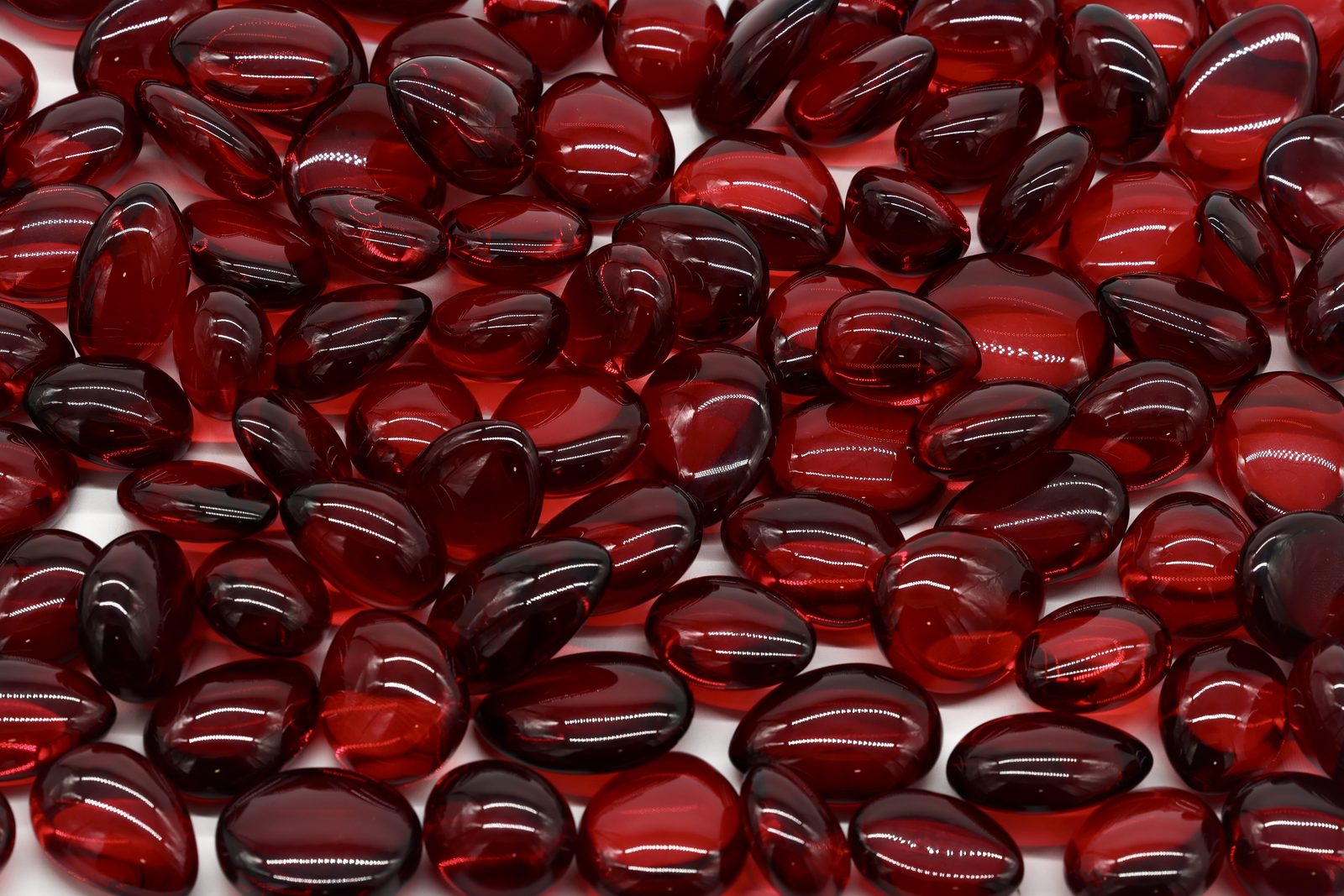
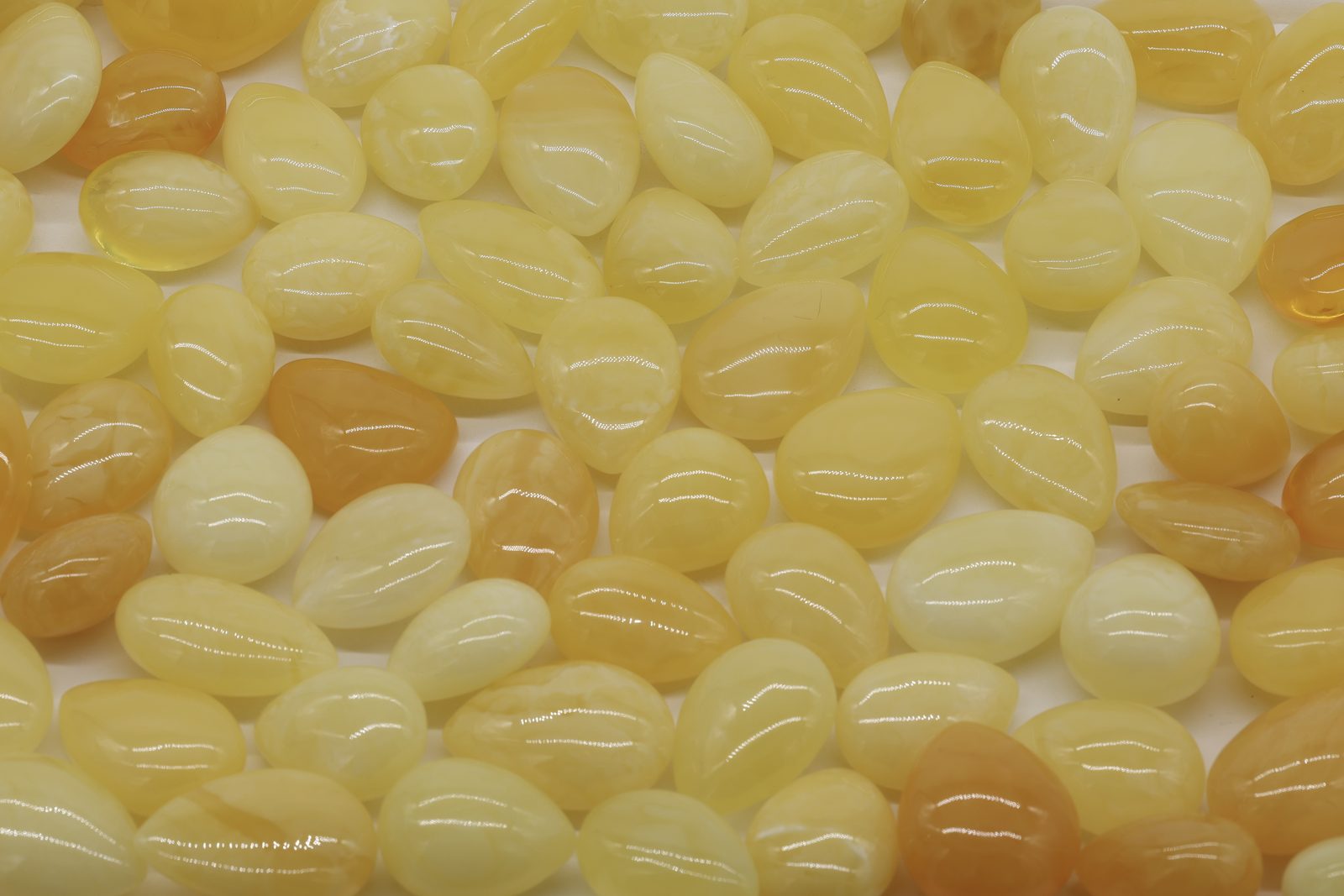
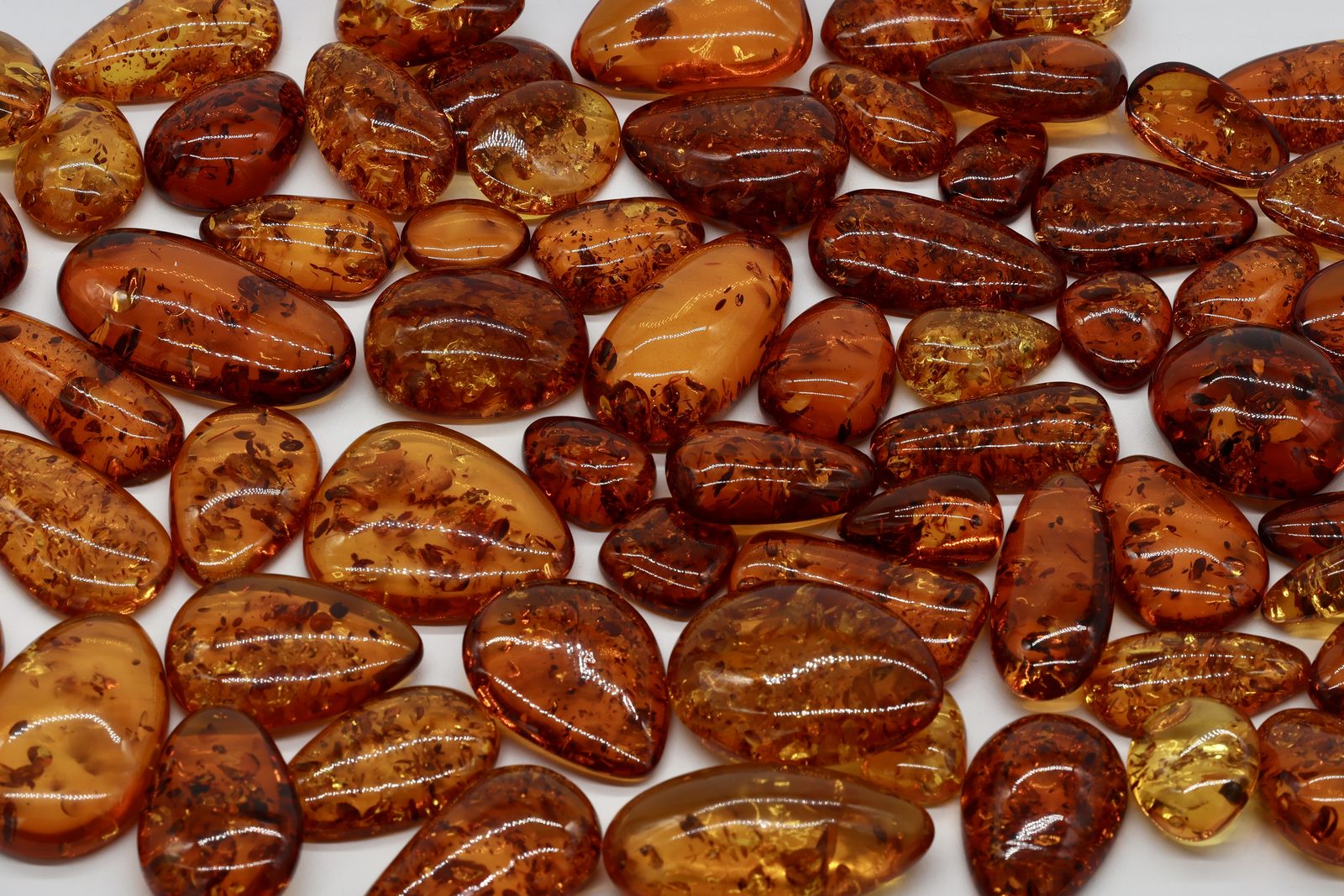
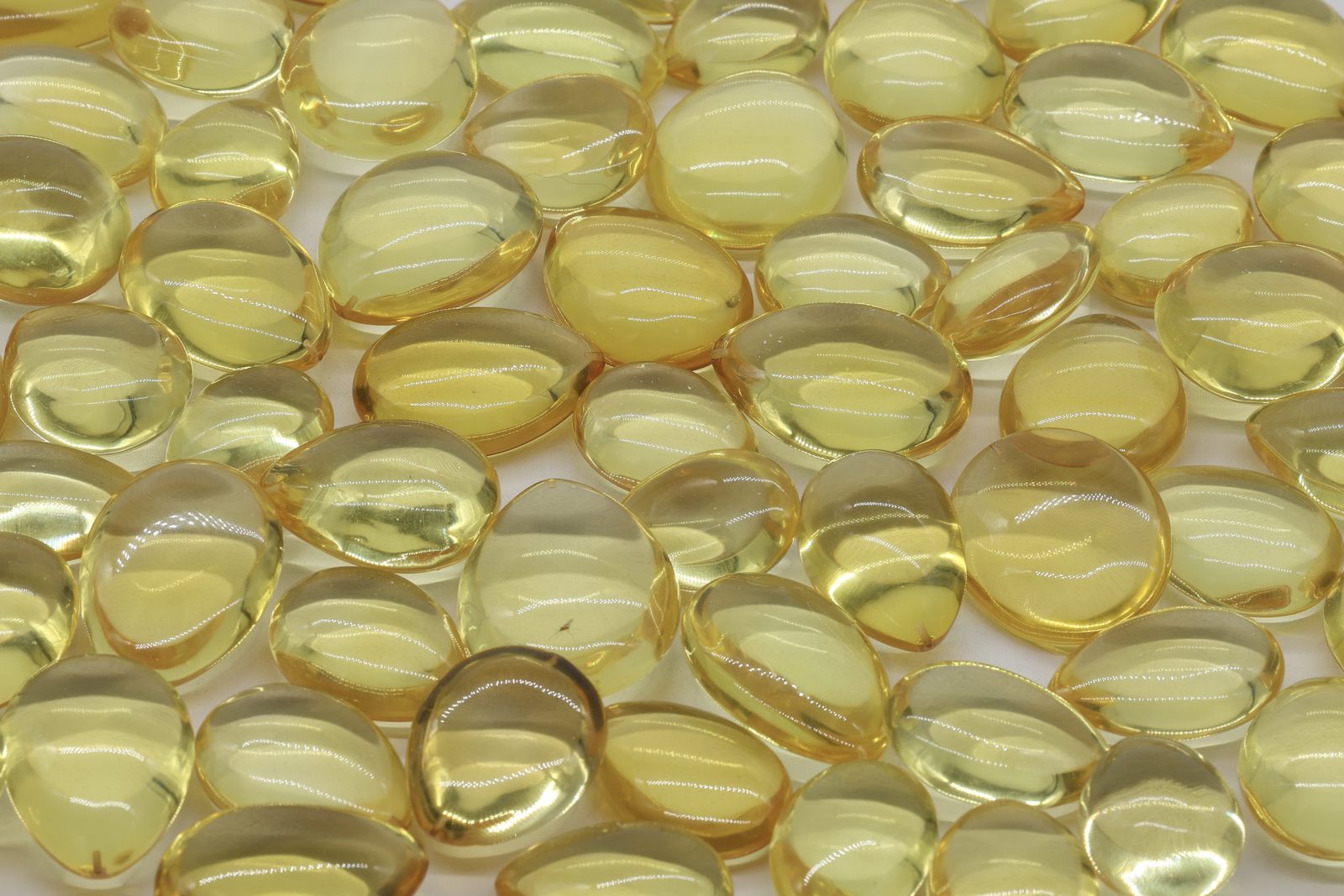
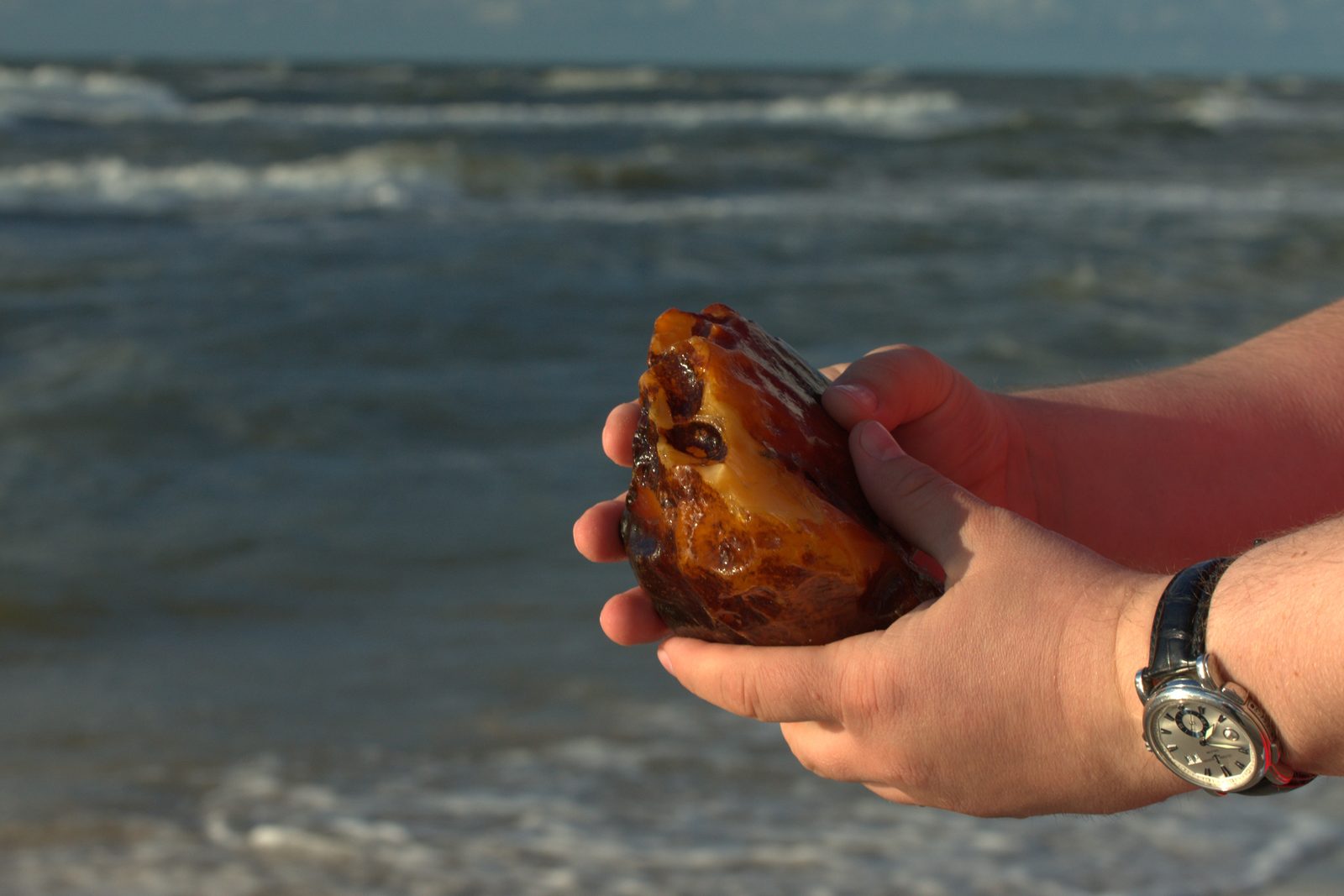
Baltic amber reveals an extraordinary range of appearances. Its colours extend from pale ivory and warm honey to deep cognac and rich brown, while its transparency can vary from crystal clear to completely opaque.

These differences are created by the material’s natural structure, microscopic inclusions and the conditions in which it formed. Some pieces preserve traces of the ancient environment within them, including plant material and, more rarely, insects and other small organisms.

This natural variation is part of amber’s distinctive character: each piece is individual before the work of the craftsperson even begins.

What makes Baltic amber unique?

FROM NATURE TO CRAFT

Where does Baltic amber come from?

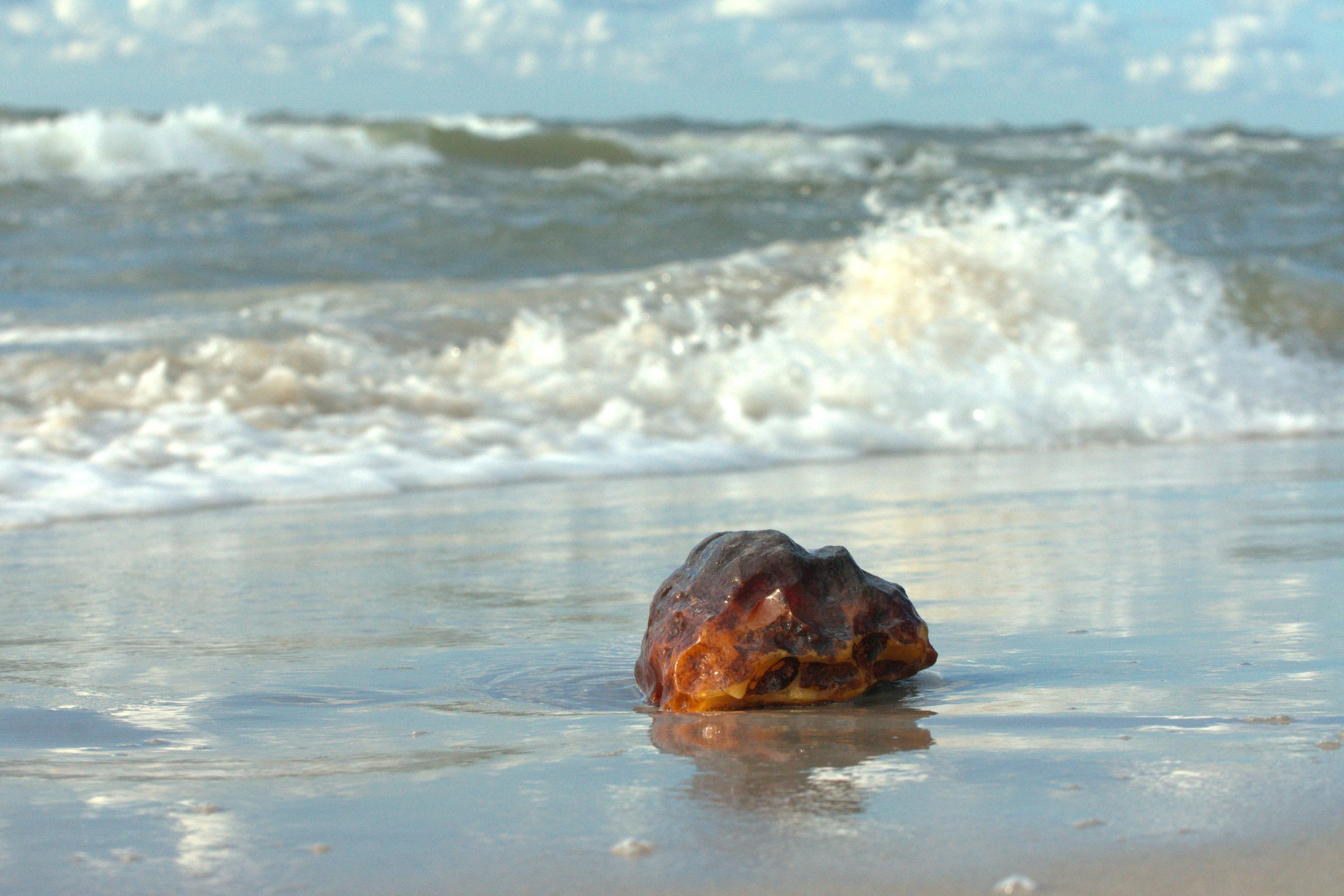
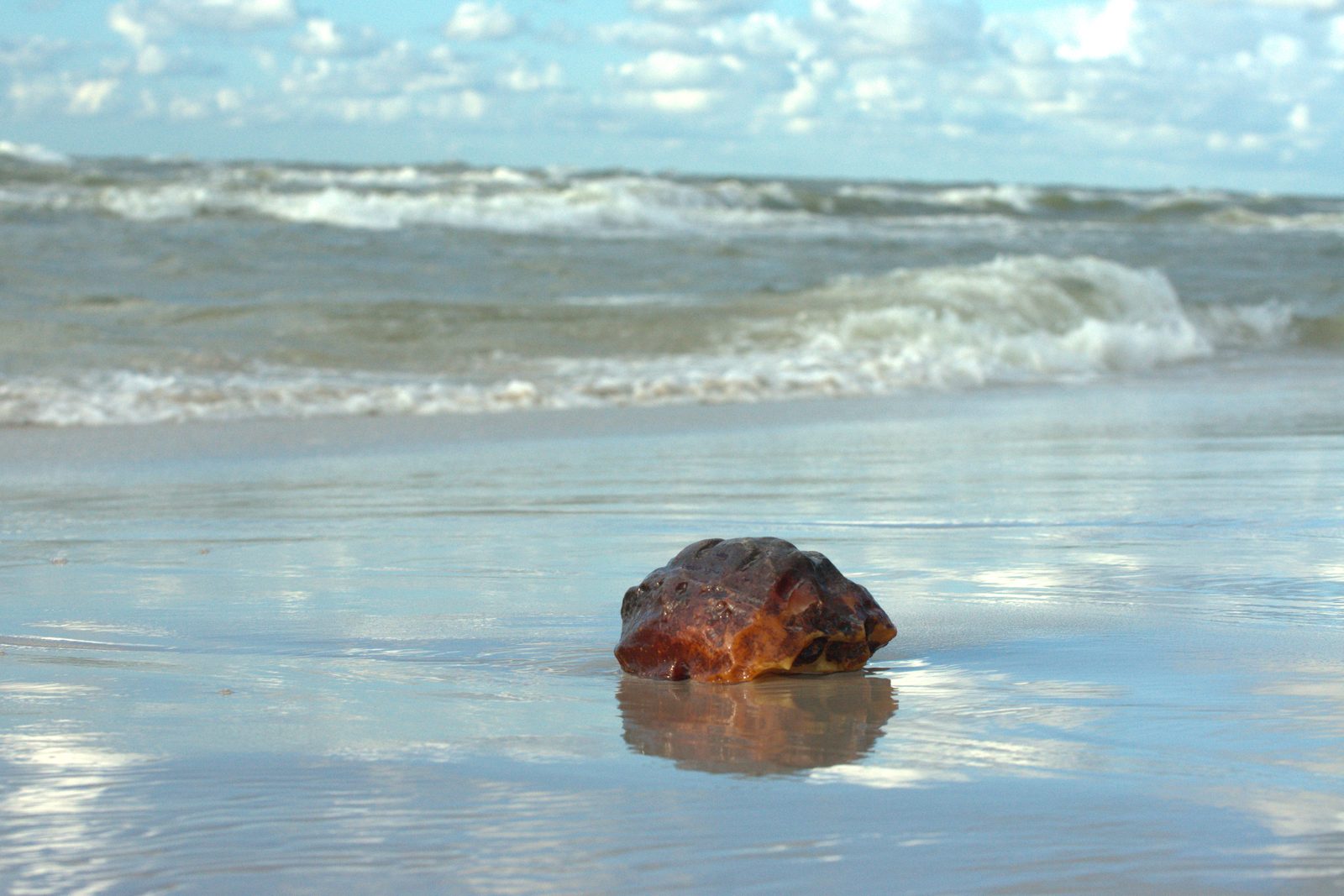
Baltic amber occurs both in geological deposits and in secondary accumulations formed as ancient amber-bearing sediments were moved and redeposited over time. Today, it is recovered from recognised deposits and can also be found along the Baltic coast, where storms continue to wash pieces ashore.

Where does Baltic amber come from?
On the Baltic shore
On the Baltic shore
On the Baltic shore
On the Baltic shore

On the Baltic shore

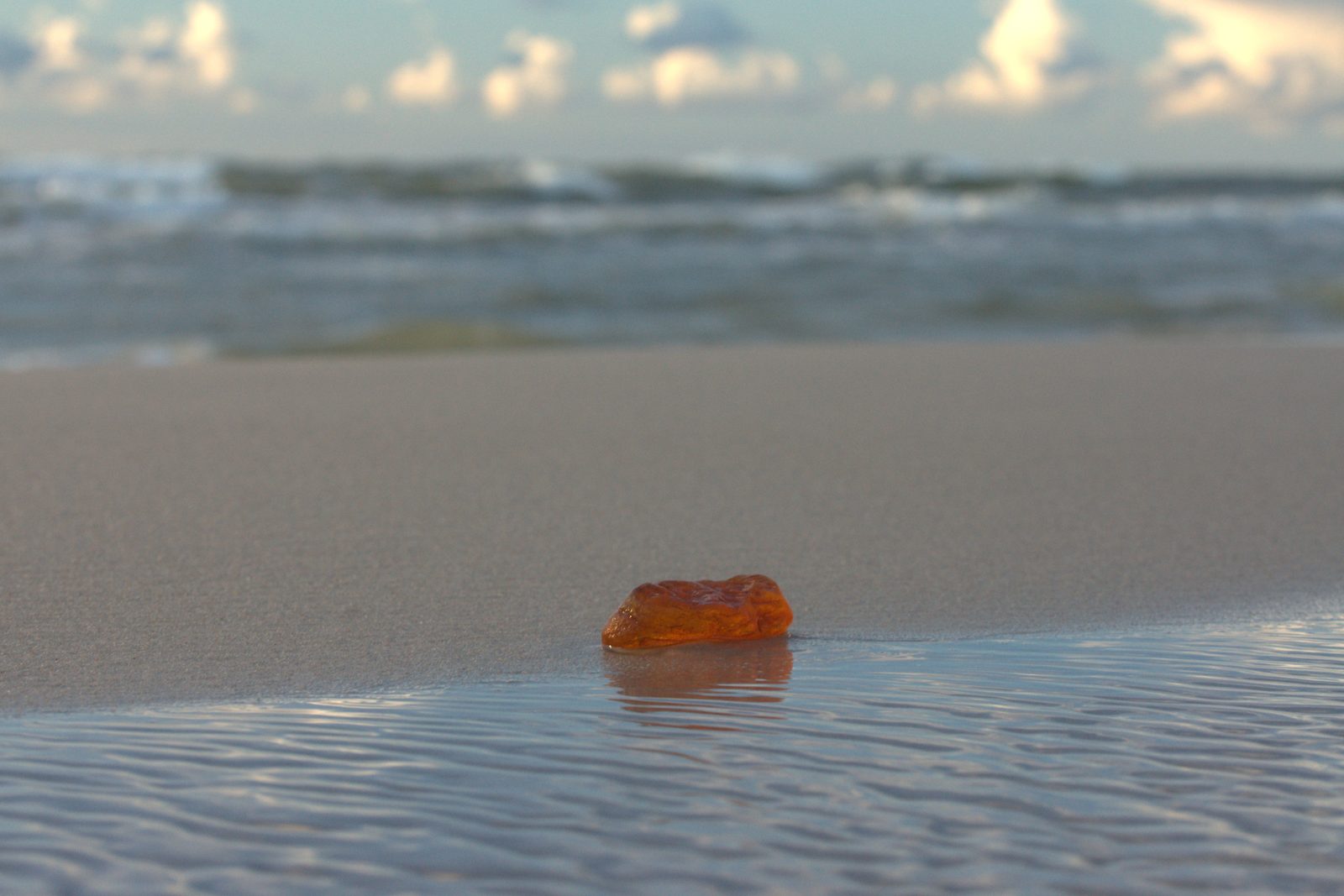
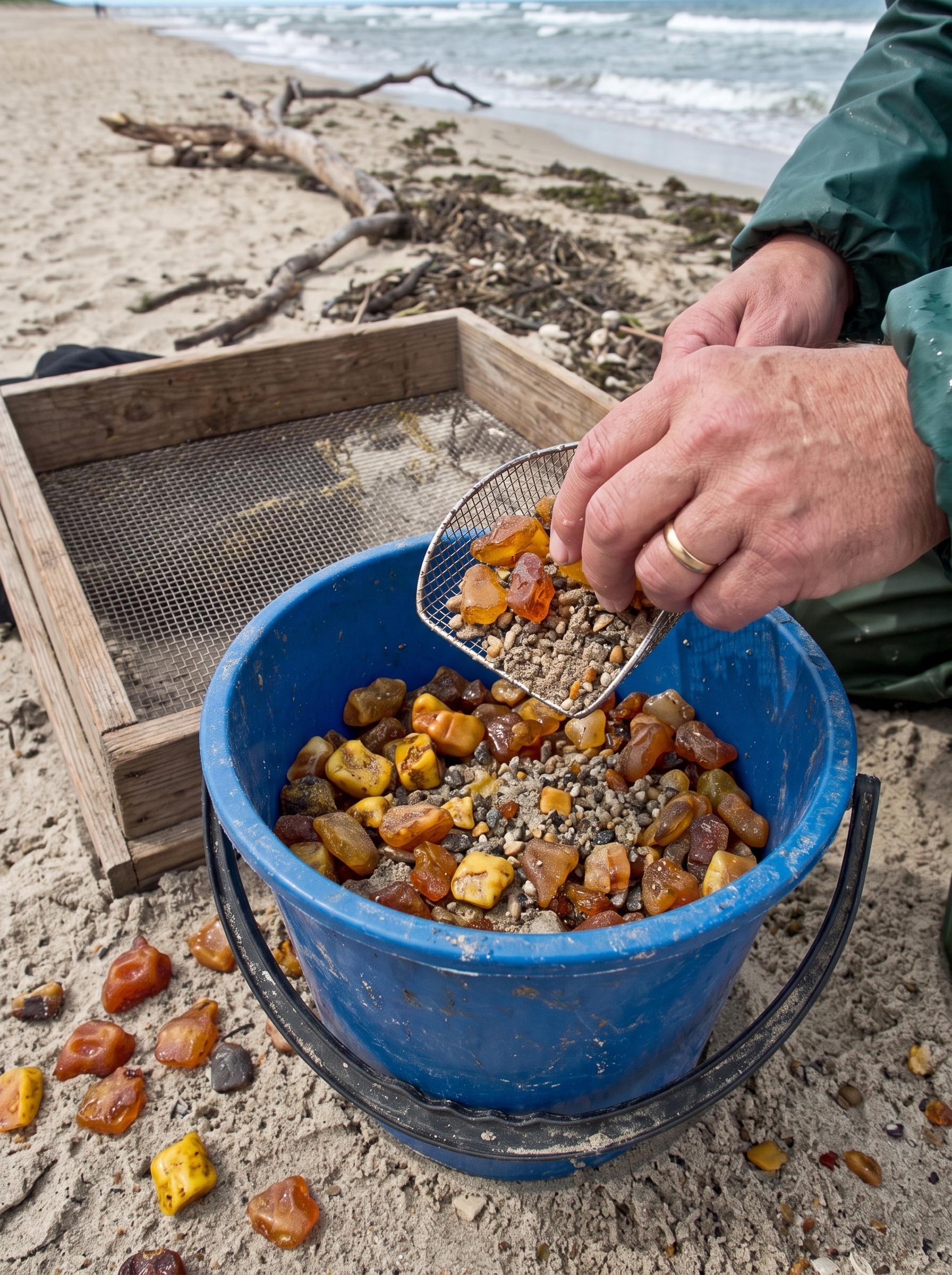
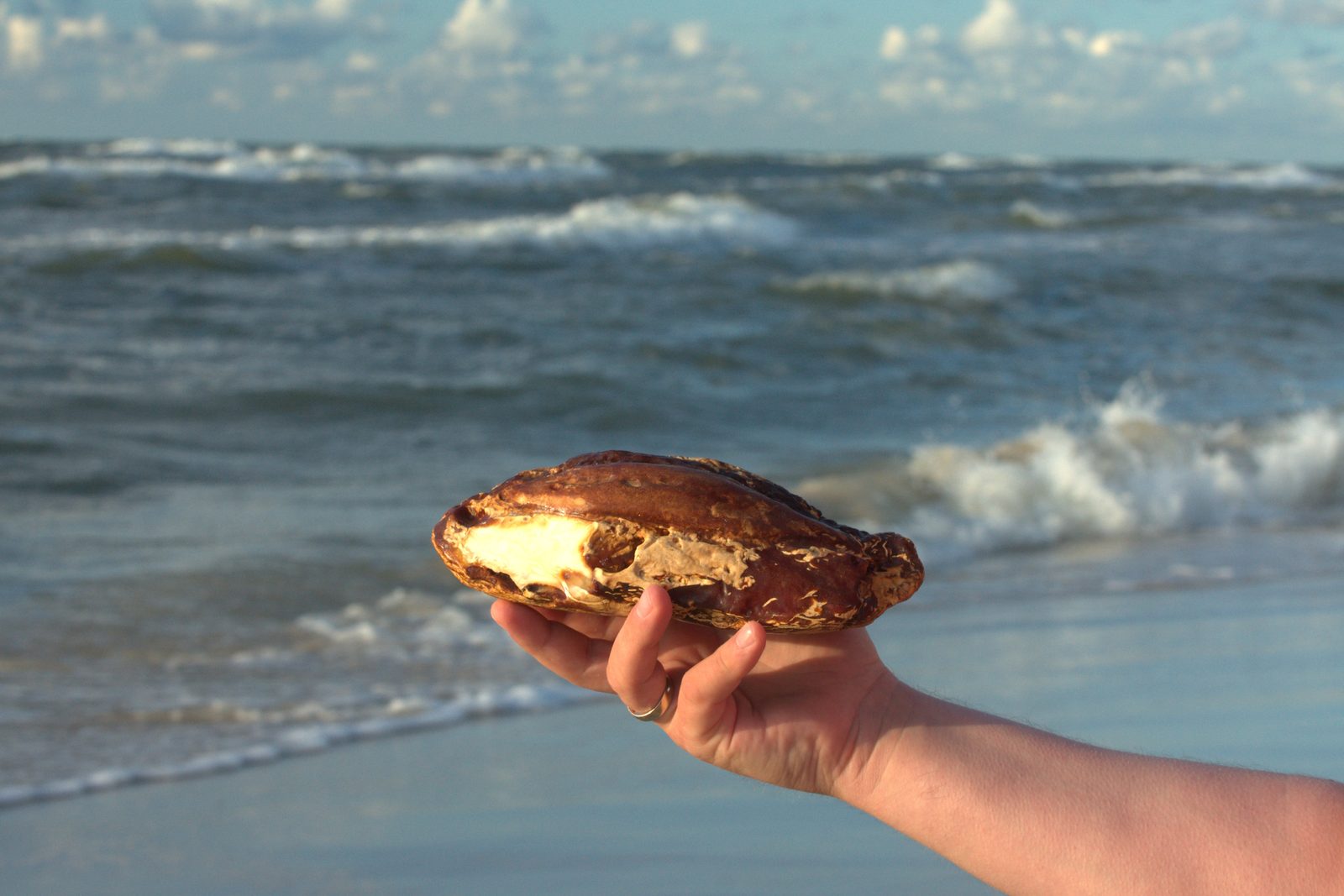
After strong winds and storms, amber can be carried towards the Baltic shore together with seaweed, wood and other natural material. Experienced collectors search the shoreline and shallow waters, separating amber from the surrounding debris by hand.

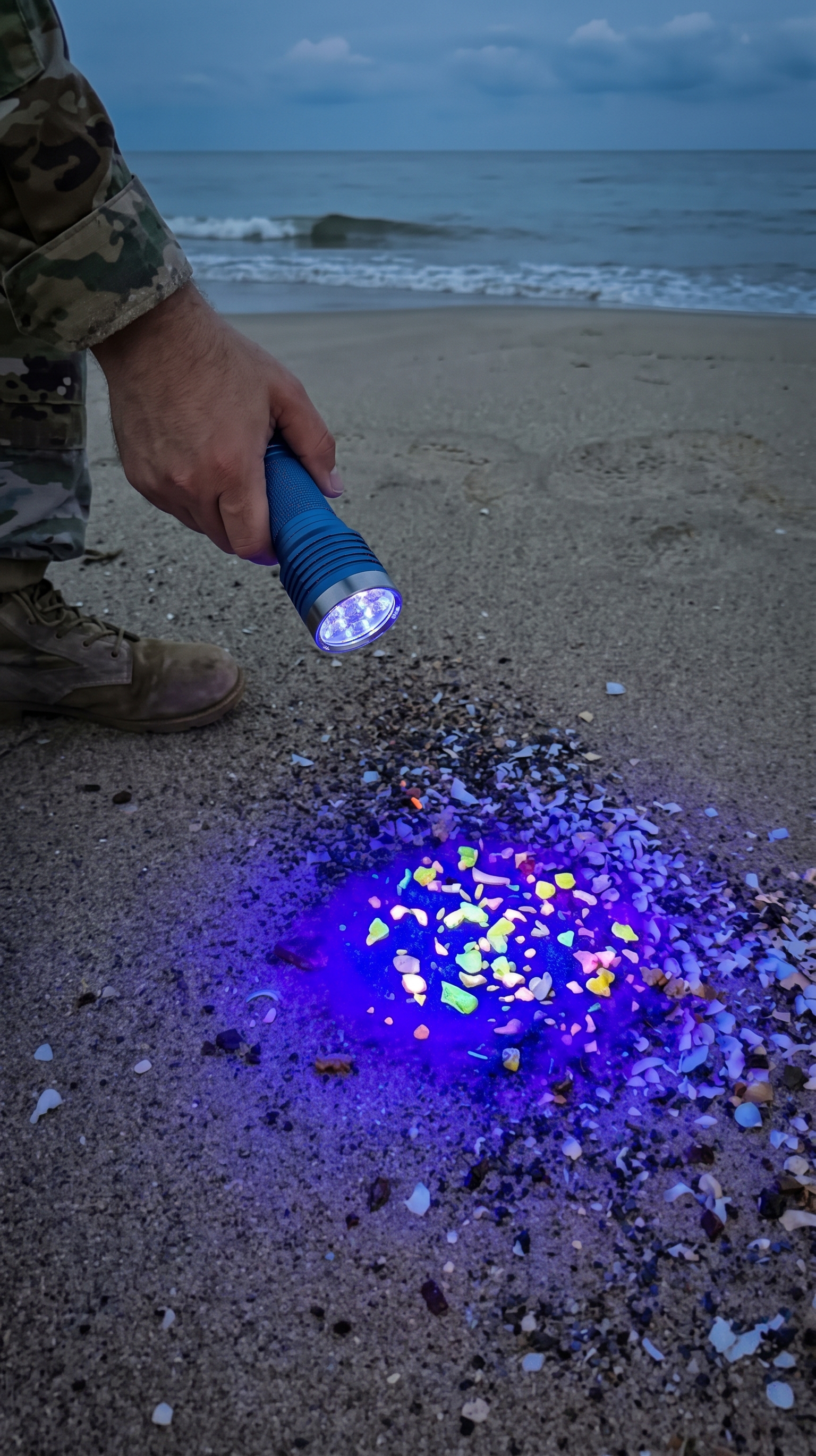
UV light may also be used to help identify smaller pieces, as amber fluoresces under ultraviolet illumination.

SEARCHING AND SORTING AMBER ALONG THE BALTIC COAST
From geological deposits

From geological deposits

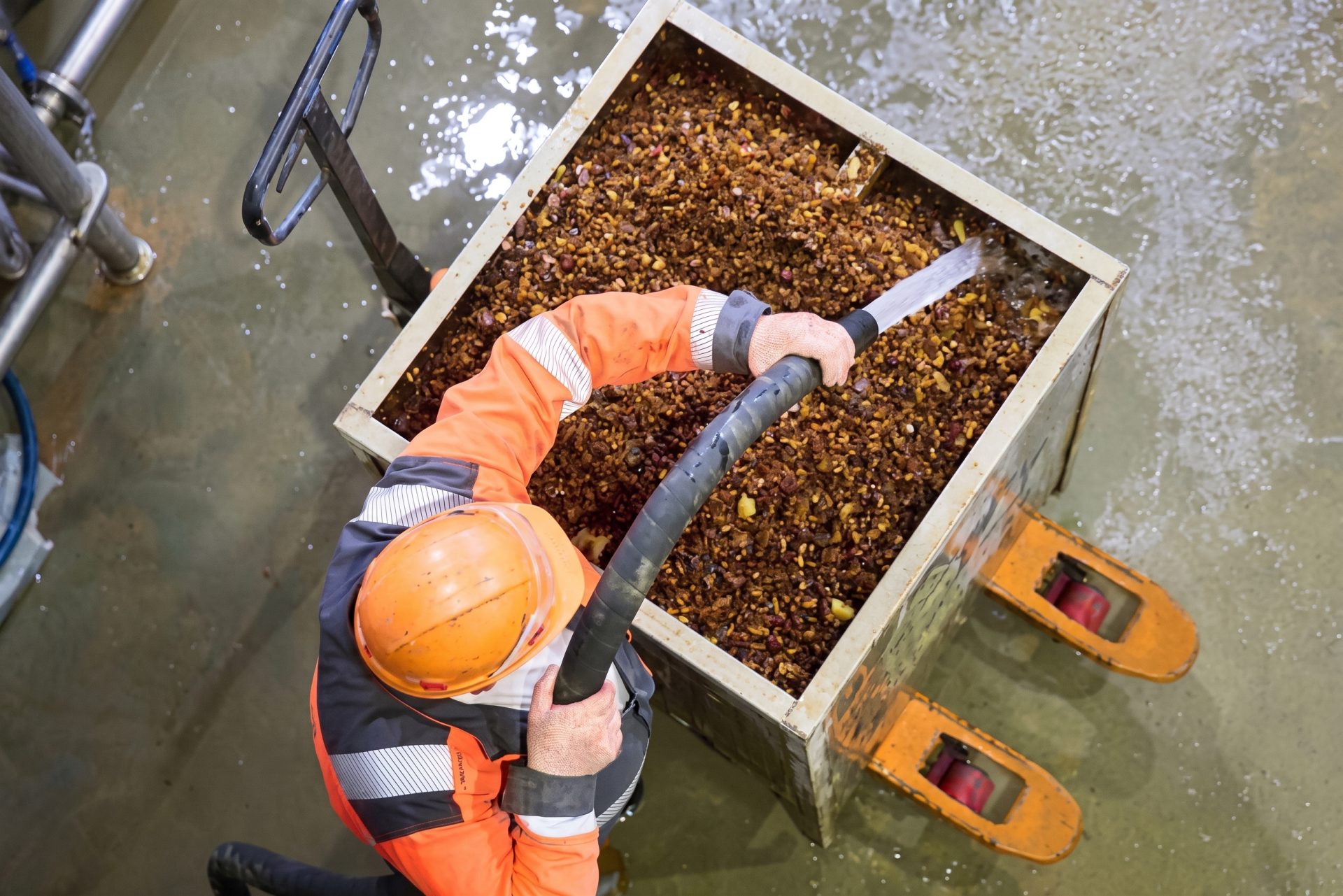
Amber is also recovered from amber-bearing geological deposits. Depending on the location and structure of the deposit, specialised extraction methods are used to separate pieces of amber from the surrounding sand, clay and sediment.

Once recovered, the raw amber is washed, sorted and selected before entering the next stage of its journey.

RECOVERING AND SORTING RAW AMBER FROM AMBER-BEARING DEPOSITS

CRAFT & PRECISION

From raw amber to finished form

Every piece of raw amber is different. Before shaping begins, its colour, transparency, structure, size and natural features are carefully considered. The craft lies in deciding what to reveal — and what to preserve.

Shaping the amber

Shaping the amber

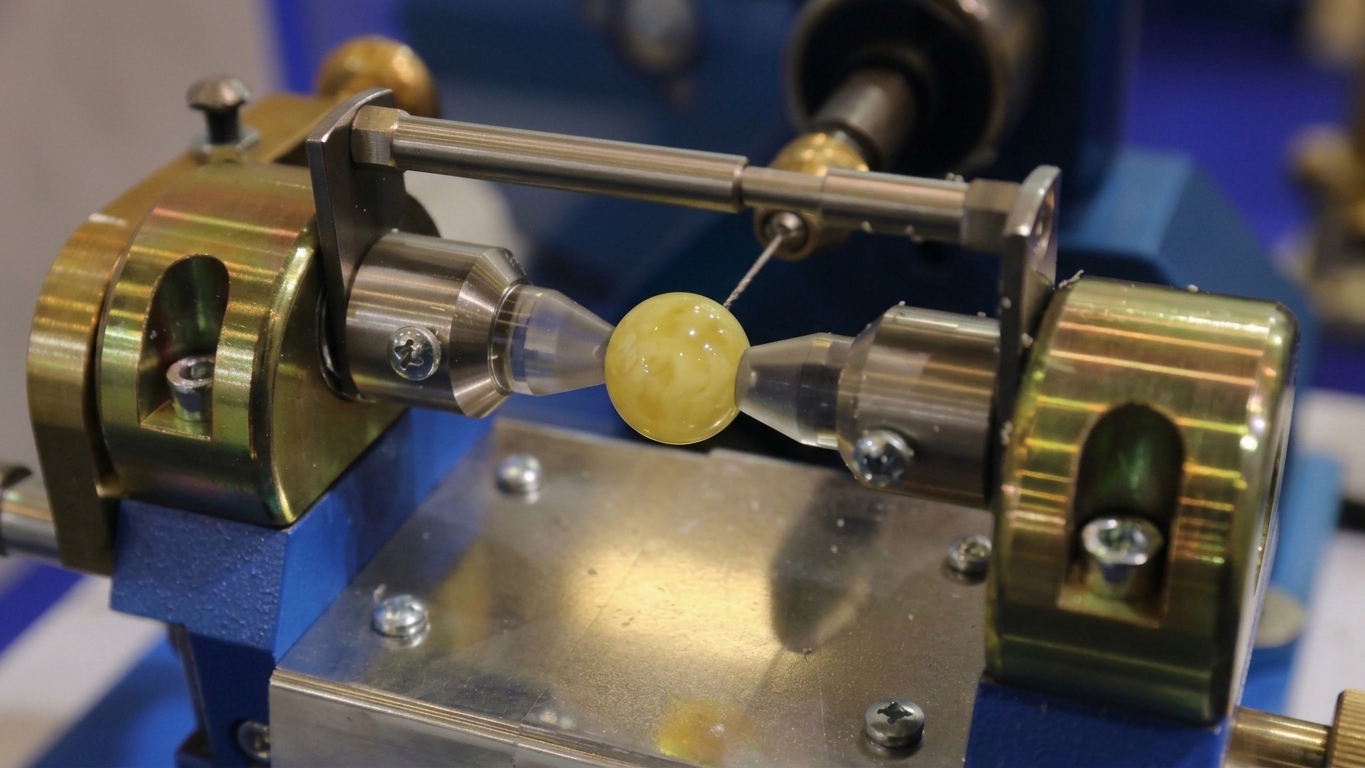
The form of each piece is developed with its individual characteristics in mind. Depending on the intended design, amber may be cut, shaped or calibrated while preserving the features that give the material its distinctive character.

SHAPING RAW AMBER IN PREPARATION FOR FURTHER WORK

Grinding & polishing

Grinding & polishing

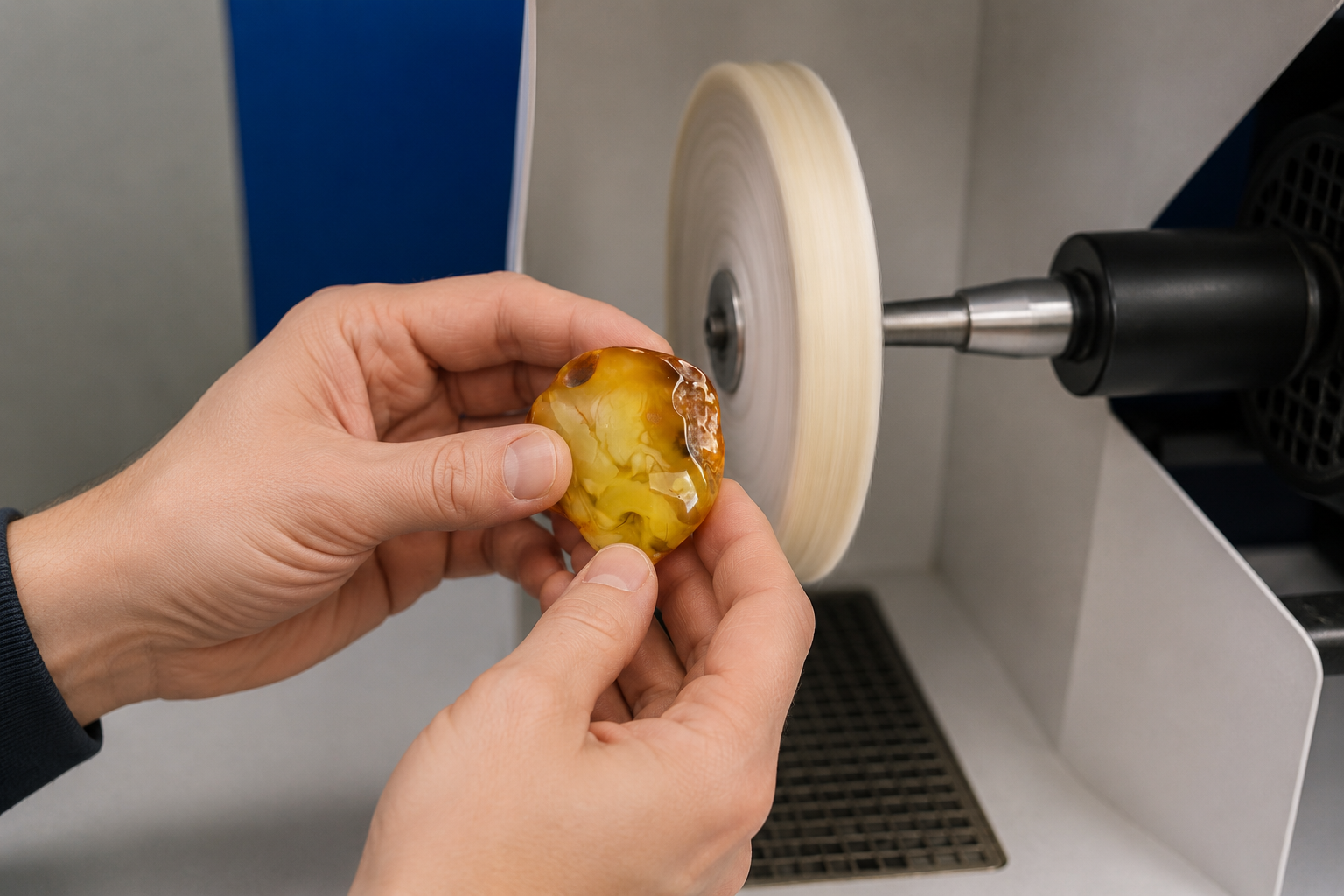
Successive stages of grinding refine the form and smooth the surface. Careful polishing then reveals the depth of colour, lustre and transparency hidden within the amber.

The result may be perfectly calibrated or deliberately organic in form — but the individuality of the material always remains visible.

POLISHING REVEALS AMBER’S COLOUR, LUSTRE AND DEPTH

A BALTIC HERITAGE

The Gold of the Baltic

For centuries, amber has been closely associated with the Baltic coast. Valued as an ornamental material since antiquity, it travelled along historic trade routes from Northern Europe to distant markets and became part of jewellery, craftsmanship and cultural traditions across many regions.

In Poland, this connection remains particularly strong. Gdańsk and the surrounding Baltic region continue to be internationally associated with the craft, trade and heritage of amber.

The Gold of the Baltic

AMBER IN MYTH & CULTURE

A material surrounded by stories

Amber has fascinated people for thousands of years, inspiring myths, legends and symbolic meanings across different cultures. Its golden colour, warmth and ability to preserve fragments of ancient life gave it an almost mysterious character long before its geological origins were understood.

Across centuries, it has been worn as an ornament, treasured as a precious material and exchanged along trade routes connecting the Baltic with the wider world. Today, that cultural heritage remains part of amber’s enduring appeal.

A material surrounded by stories